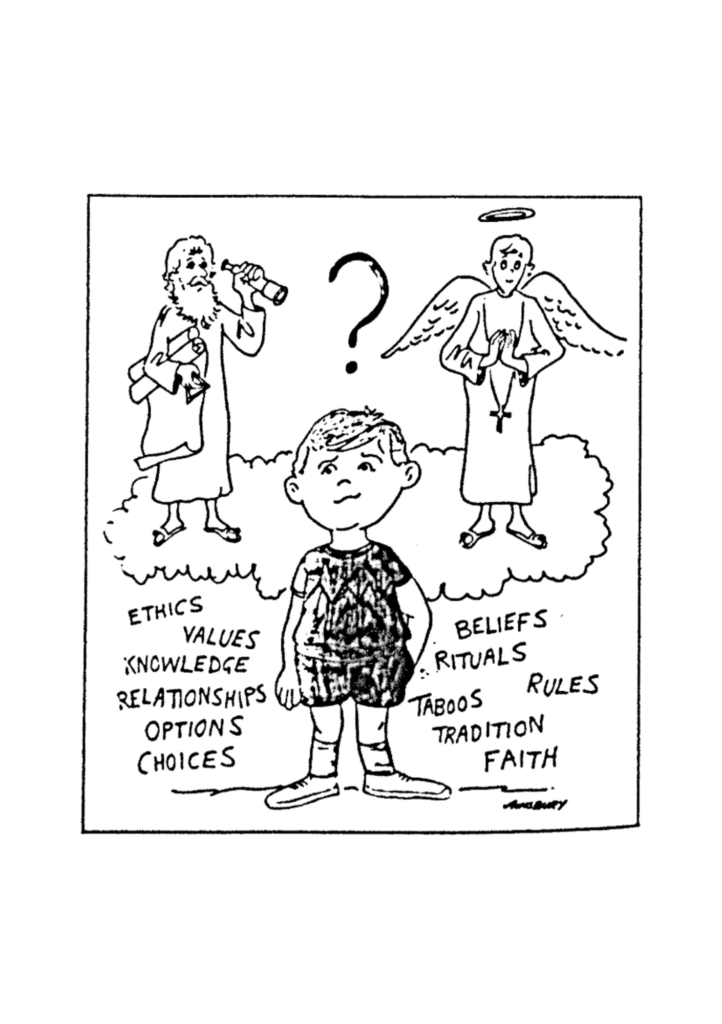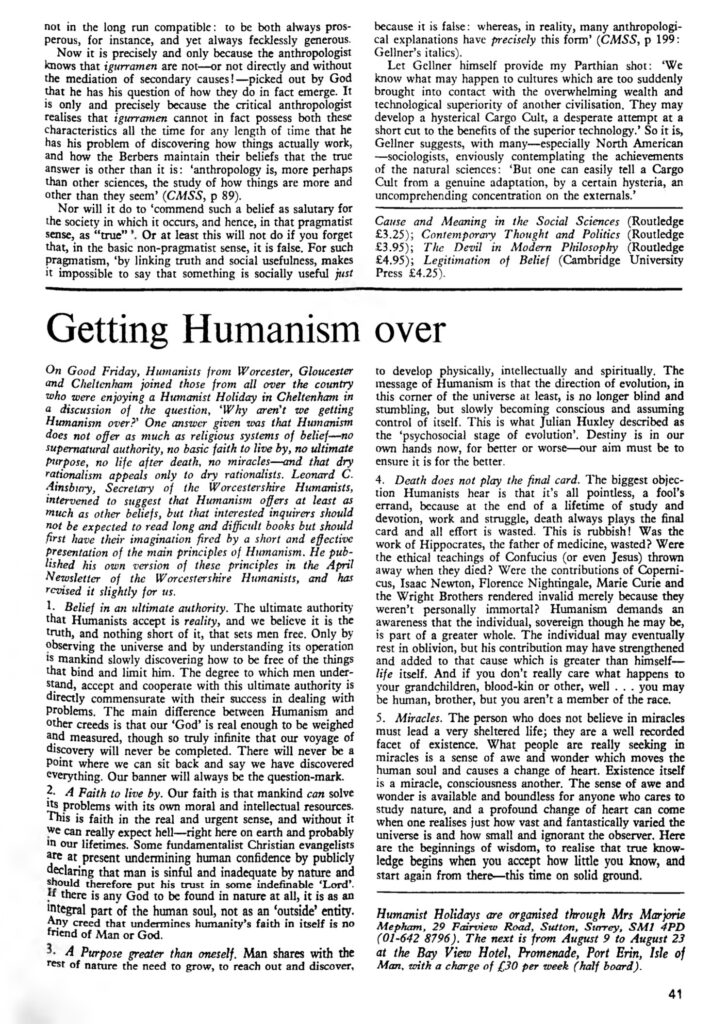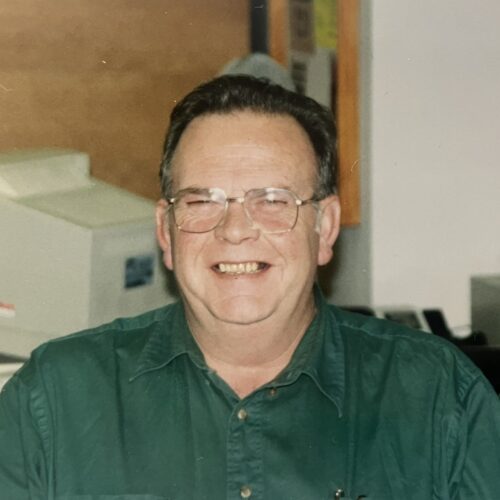
There will never be a point where we can sit back and say we have discovered everything. Our banner will always be the question-mark.
Leonard C. Ainsbury, ‘Getting Humanism Over’ in New Humanist, June 1975
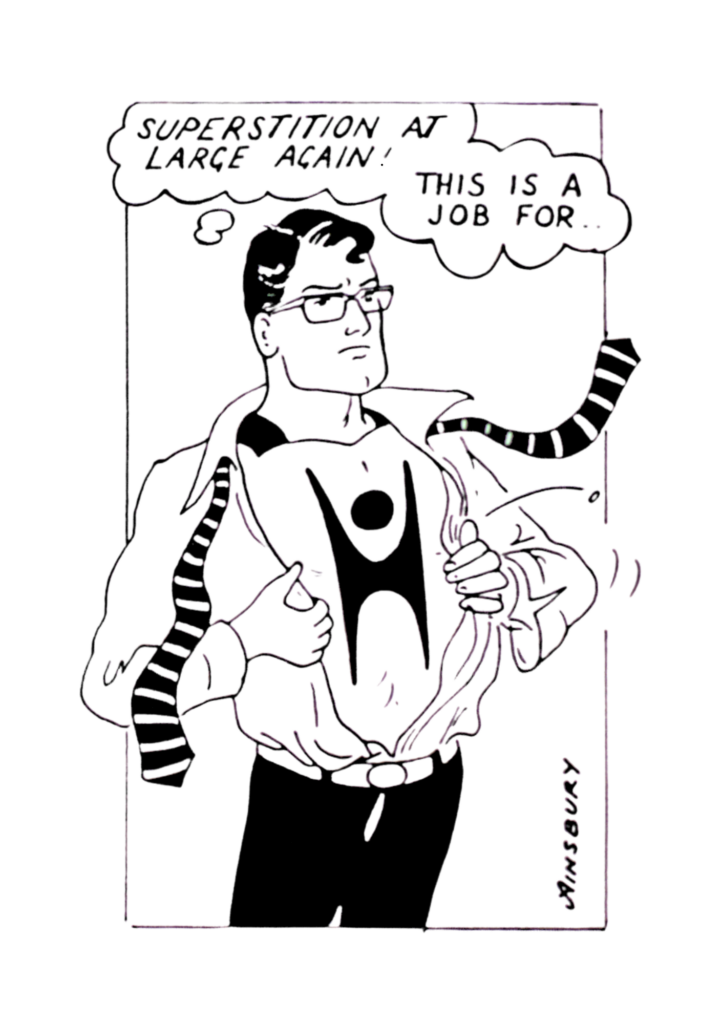
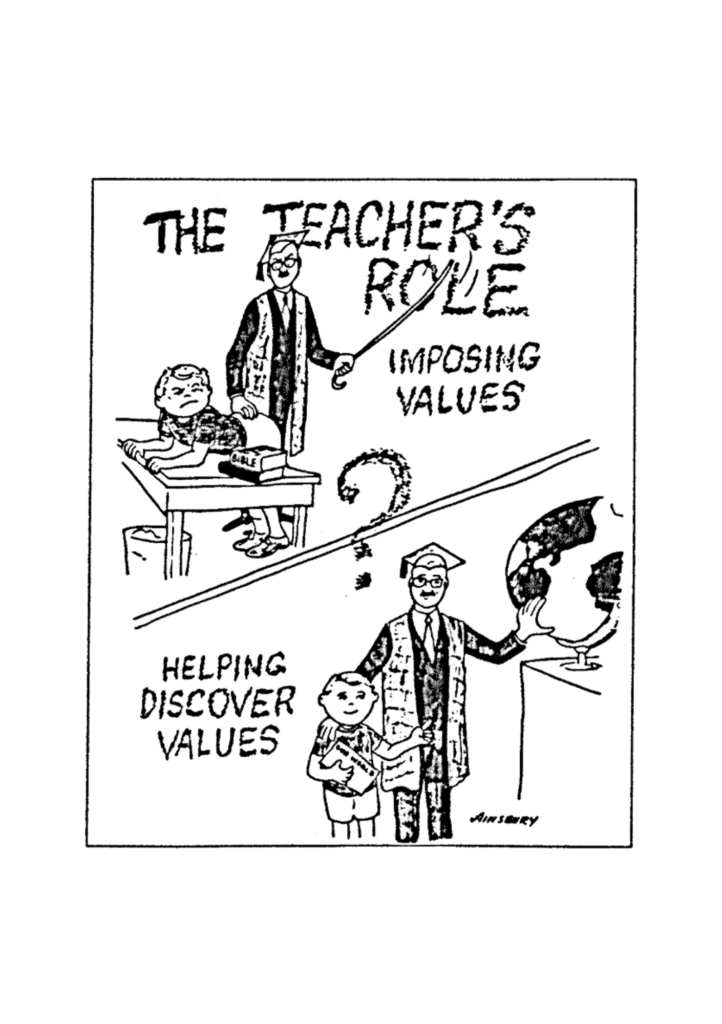
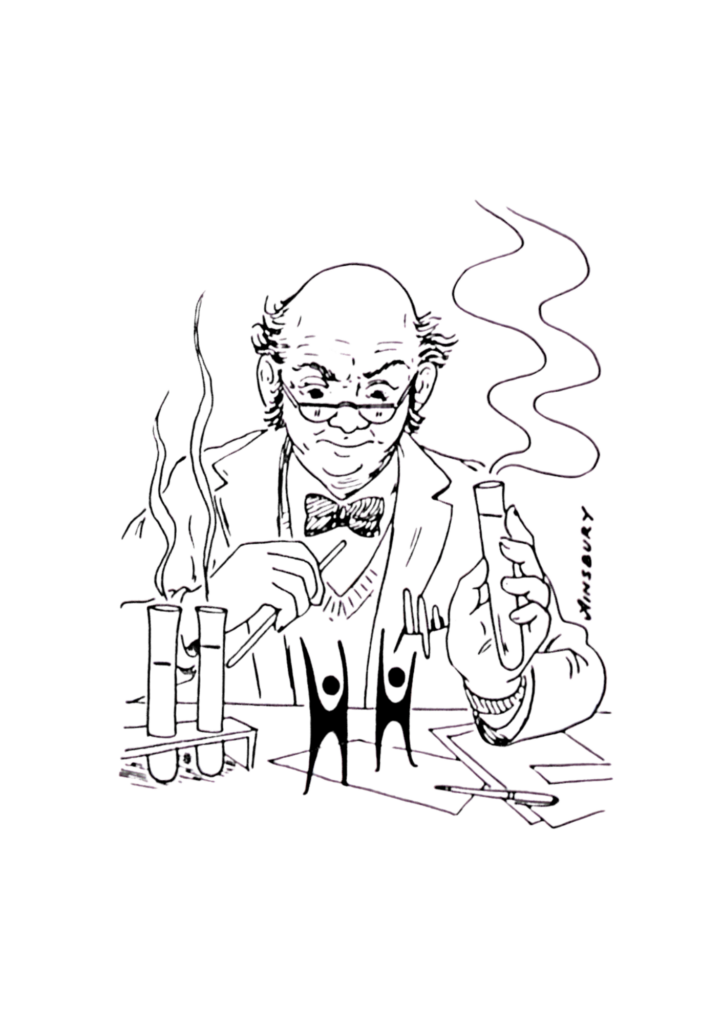
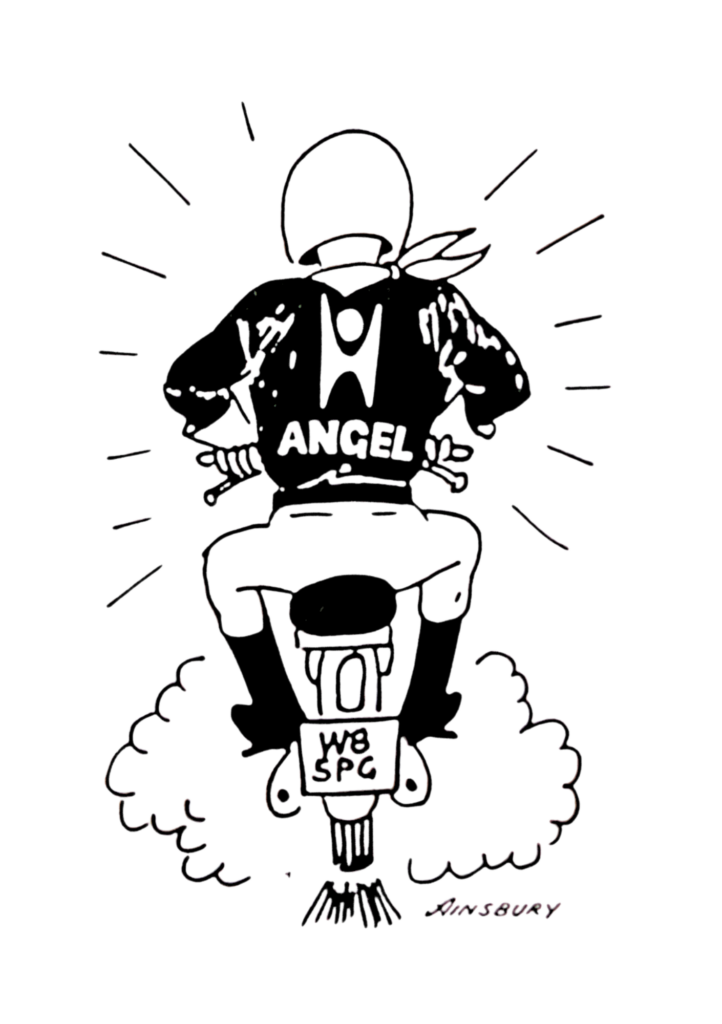
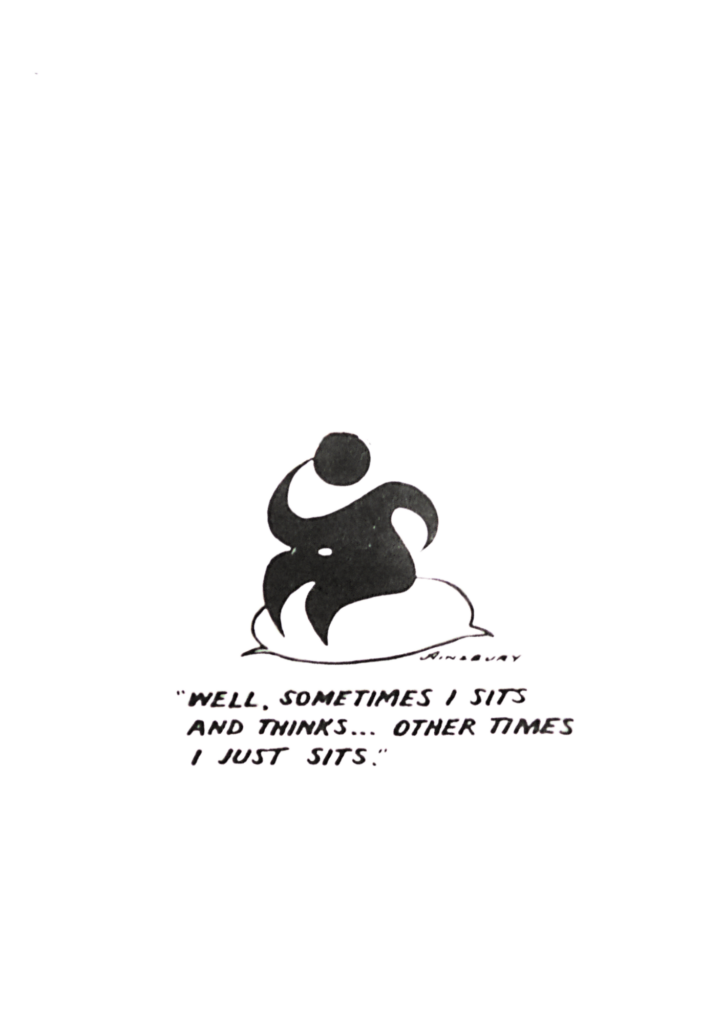
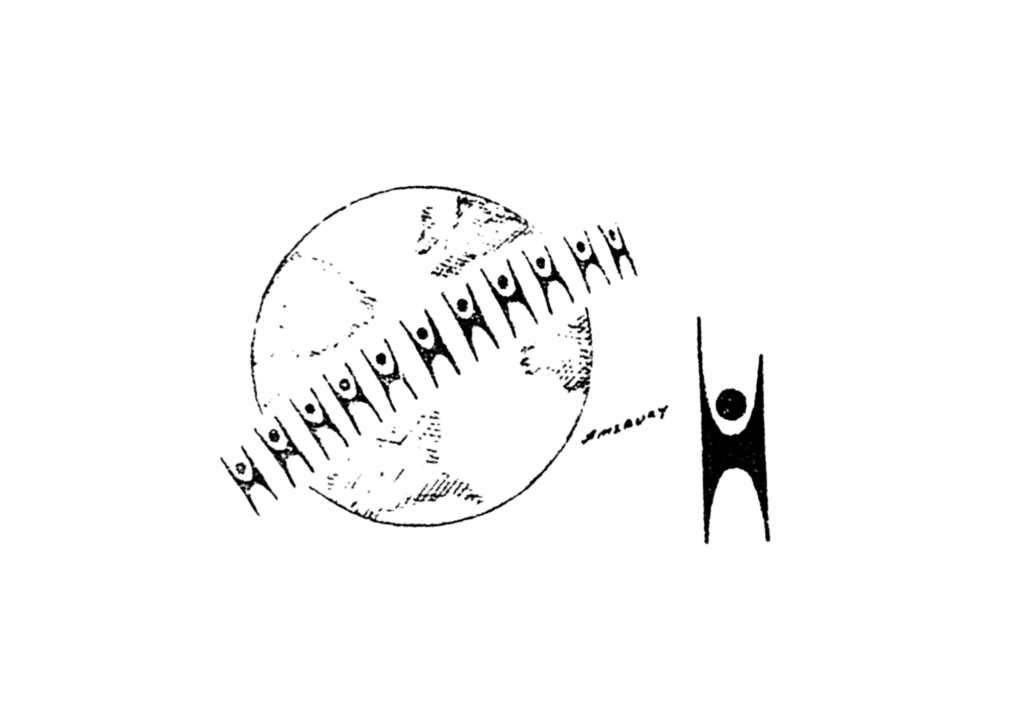
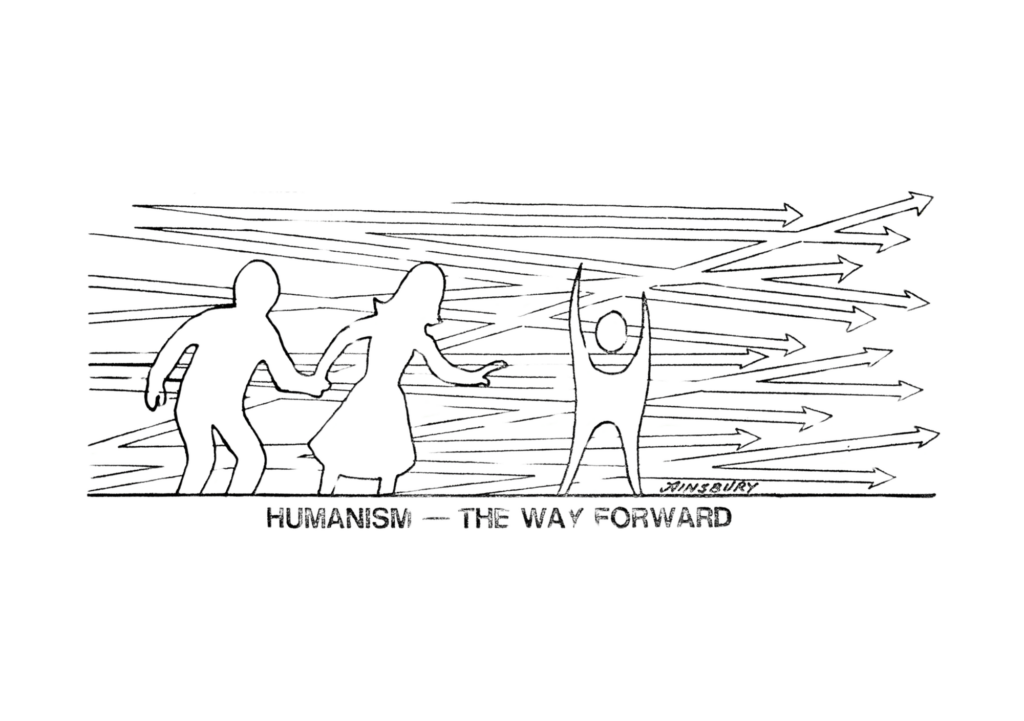
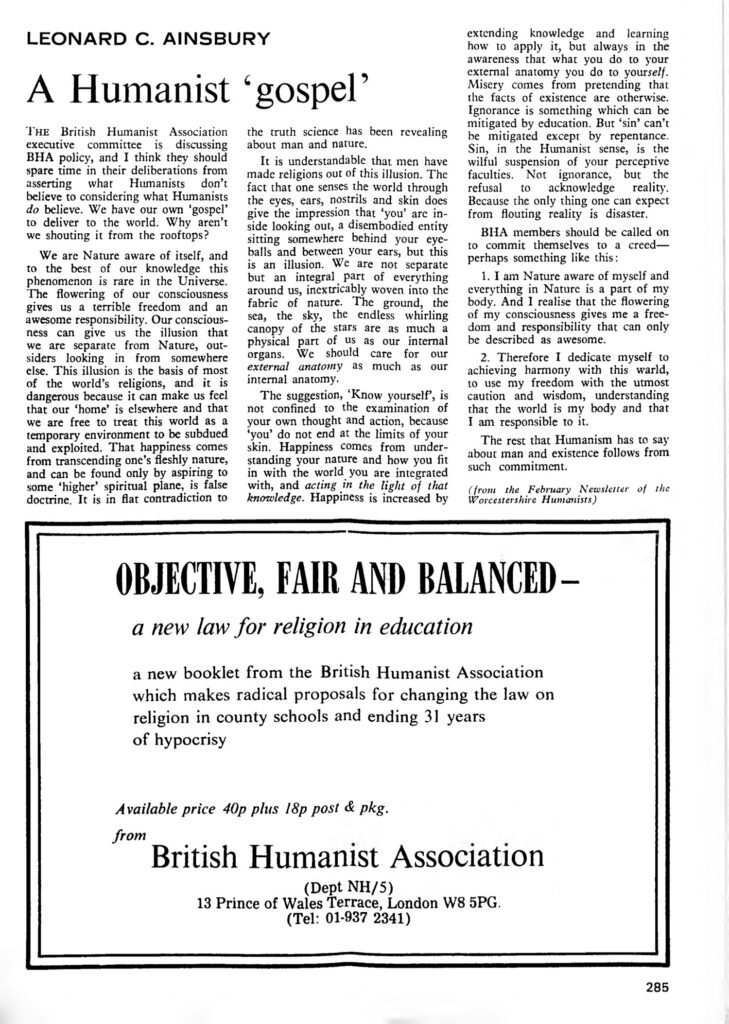
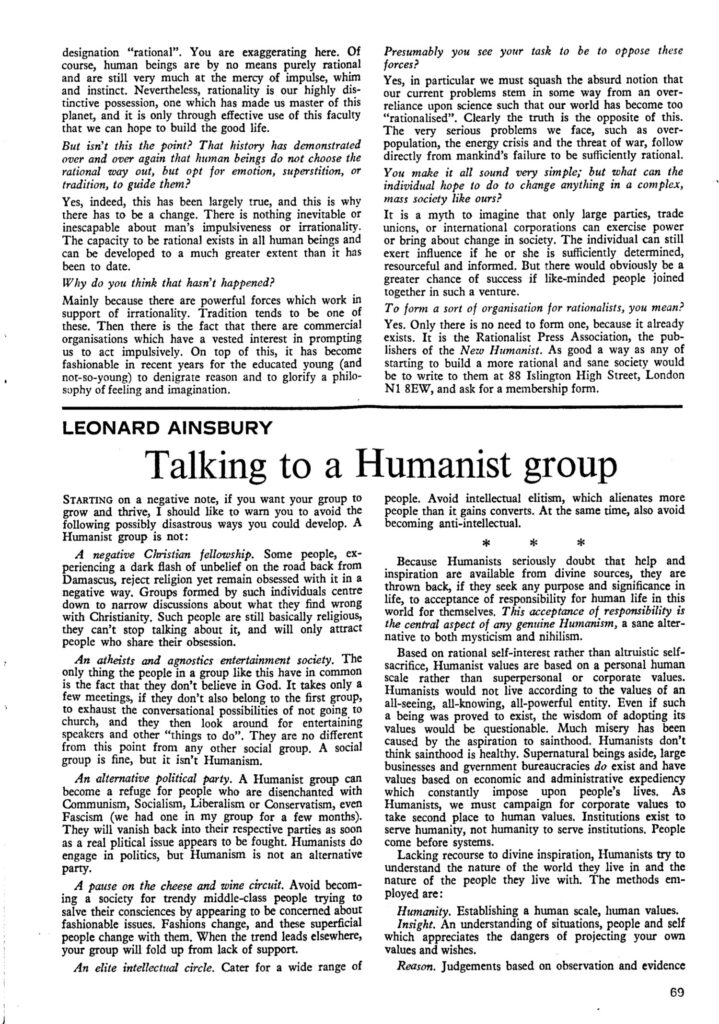
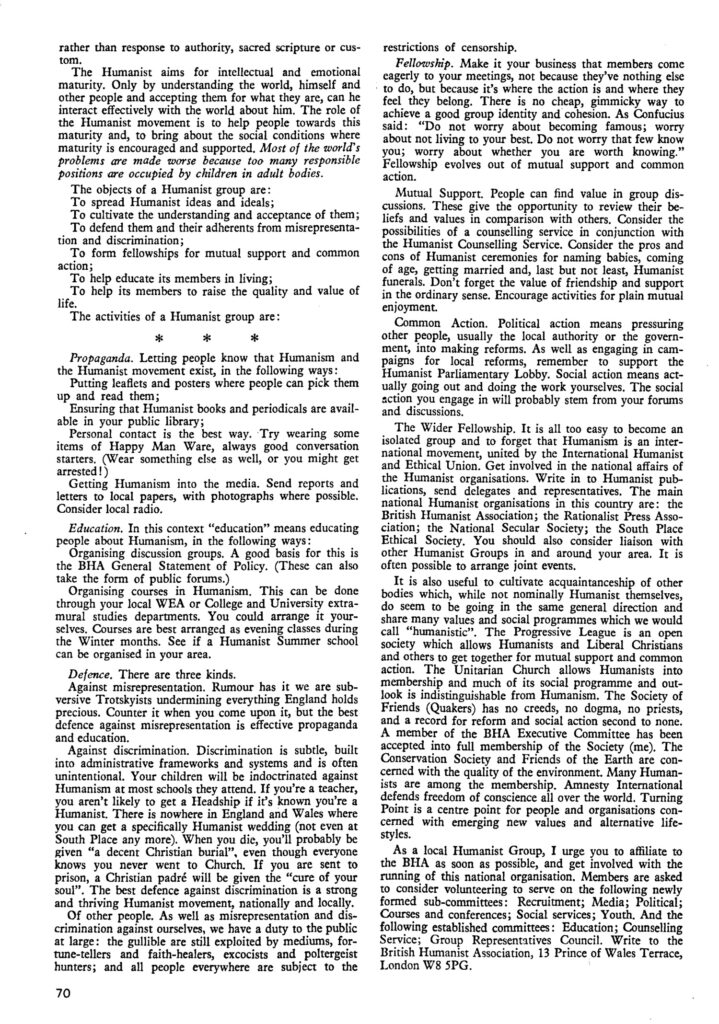
Leonard (Len) Ainsbury was a committed and creative humanist, who played a key role in the Worcestershire Humanist Group during the 1970s, ’80s, and beyond. As well as contributing cartoons to the newsletter of the British Humanist Association (now Humanists UK), and serving on its Executive Committee, Ainsbury penned articles and organised events rooted in his firm belief in the power of humanist values to bridge divides and emphasise our shared humanity.
Our faith is that mankind can solve its problems with its own moral and intellectual resources. This is faith in the real and urgent sense, and without it we can really expect hell—right here on earth and probably in our lifetimes.
Leonard C. Ainsbury, ‘Getting Humanism Over’ in New Humanist, June 1975
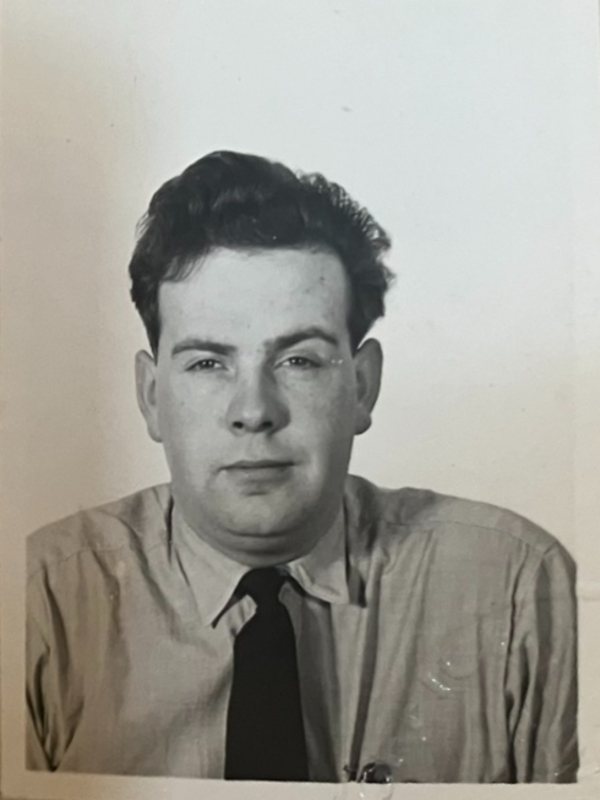
Leonard Cecil Ainsbury was born in Cirencester, Gloucestershire, but spent most of his life and career in Worcester. After leaving school, he served five years with the RAF secretarial branch, seeing active service in Borneo during the early 1960s. He later worked in public relations for the police force, and volunteered his time with the Scouts, as well as in local humanism.
In a self-penned biography for the Humanist Newsletter in 1982, Ainsbury described himself as having been a humanist since about the age of 20. He was the longtime secretary of Worcester’s humanist group, which he’d led the revival of in 1974 (ten years after its founding). During his time at the helm, events regularly featured opportunities for dialogue and collaboration, including meetings with members of Worcestershire’s Christian and Muslim communities, and joint events with groups such as the Campaign for Homosexual Equality (CHE).
One motion moved by Ainsbury during a meeting of the British Humanist Association in the late 1970s gives a rich indication of his fundamental beliefs about what humanism could offer to wider society. ‘This conference,’ he moved:
urges the BHA in particular and the Humanist Movement in general to take advantage of our unique agnostic position to mediate positively in the name of common humanity by concentrating on building bridges between opposing factions in society, helping them see each other as fellow human beings with needs and values in common and grounds for cooperation as well as strife.
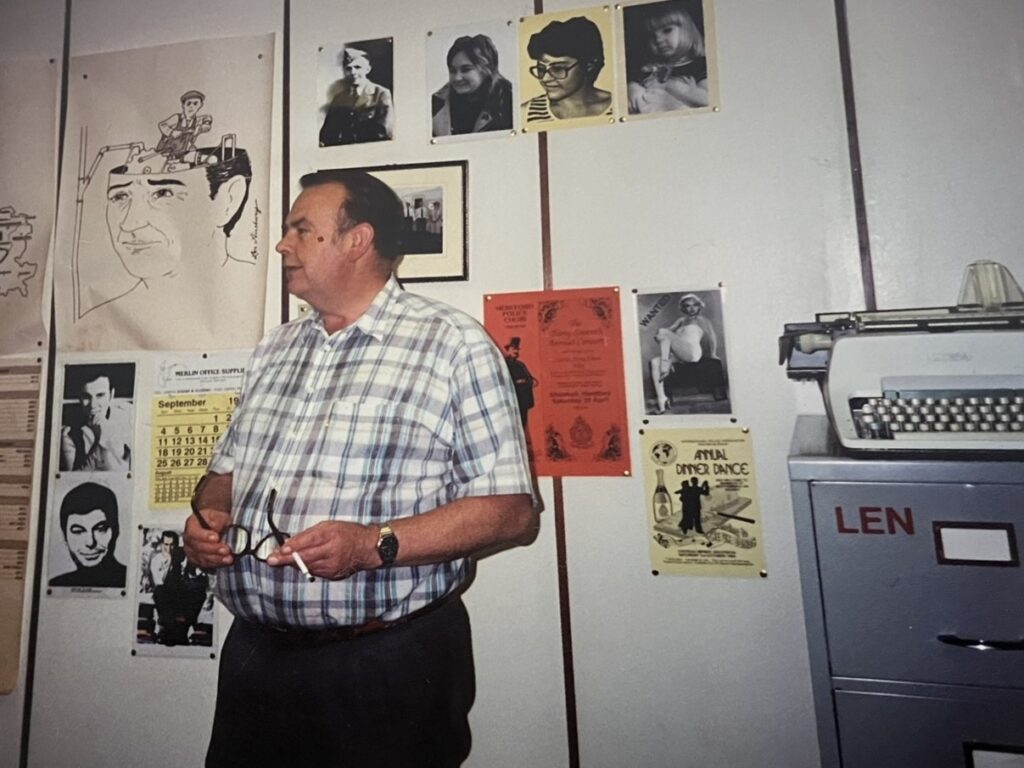
Elsewhere in his writings, as well as in his illustrations, Ainsbury advocated an active, practical humanism, encouraging humanists to ‘beat the moral drum’. He wrote movingly about the richness of humanism as a worldview, celebrating the joy of questioning, the affirmation of humanity, the sense of purpose, and the unending awe he found within it. Far from offering less than religious belief systems, Ainsbury argued, an embrace of mystery, marvel, and meaning-making underpinned humanism. In an article printed in New Humanist in 1975, originally published in the newsletter of the Worcestershire group, he wrote:
The sense of awe and wonder is available and boundless for anyone who cares to study nature, and a profound change of heart can come when one realises just how vast and fantastically varied the universe is and how small and ignorant the observer. Here are the beginnings of wisdom, to realise that true knowledge begins when you accept how little you know, and start again from there—this time on solid ground.
Leonard Ainsbury died in 2006, much mourned by his family and community.
The individual may eventually rest in oblivion, but his contribution may have strengthened and added to that cause which is greater than himself—life itself.
Leonard C. Ainsbury, ‘Getting Humanism Over’ in New Humanist, June 1975
Len Ainsbury lived an in many ways ordinary, yet profoundly influential, life, committed to community, creativity, and the humanist values he held and espoused. In 2025, at the official launch of Worcester Humanists, his life and art was celebrated with a small exhibition of some of the cartoons he’d contributed to the Humanist Newsletter, alongside photos and documents brought along by his daughter, Melanie.
I will call no being good, who is not what I mean when I apply that epithet to my fellow-creatures; […]
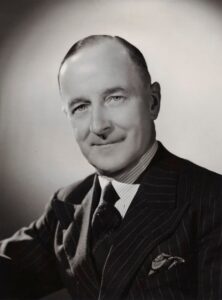
Humanism is on the march. In a world of conflict and frightening menaces we are an integral part of the […]
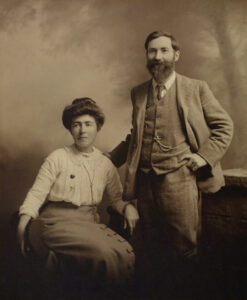
A distinctively Edwardian rationalist radical, he himself agreed that he was a crank – ‘a small instrument that makes revolutions’. […]
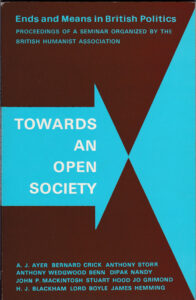
I think that believing in the brotherhood of man is not just a matter of signing these letters, it is […]