start typing and results will show

or press esc

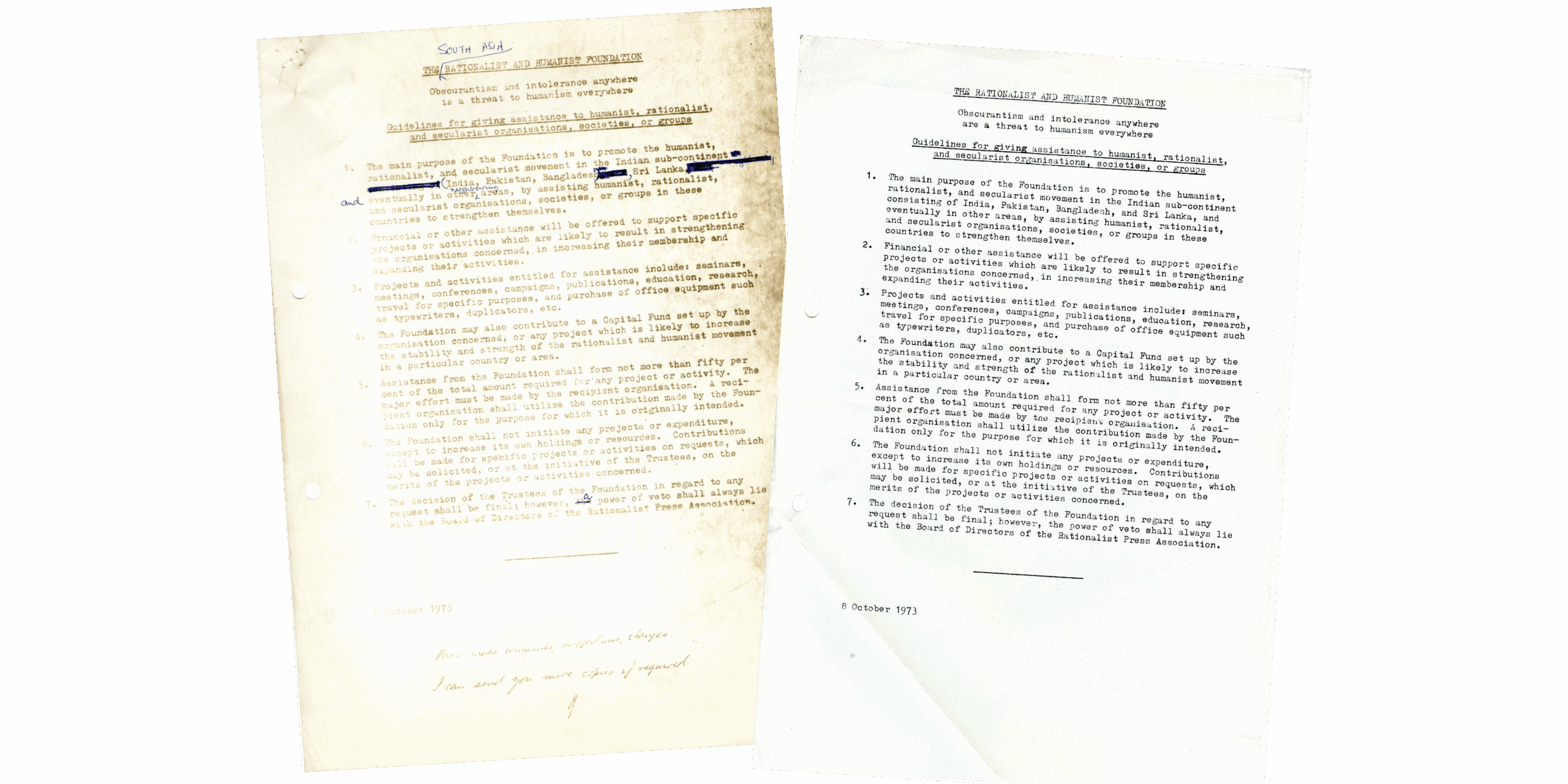
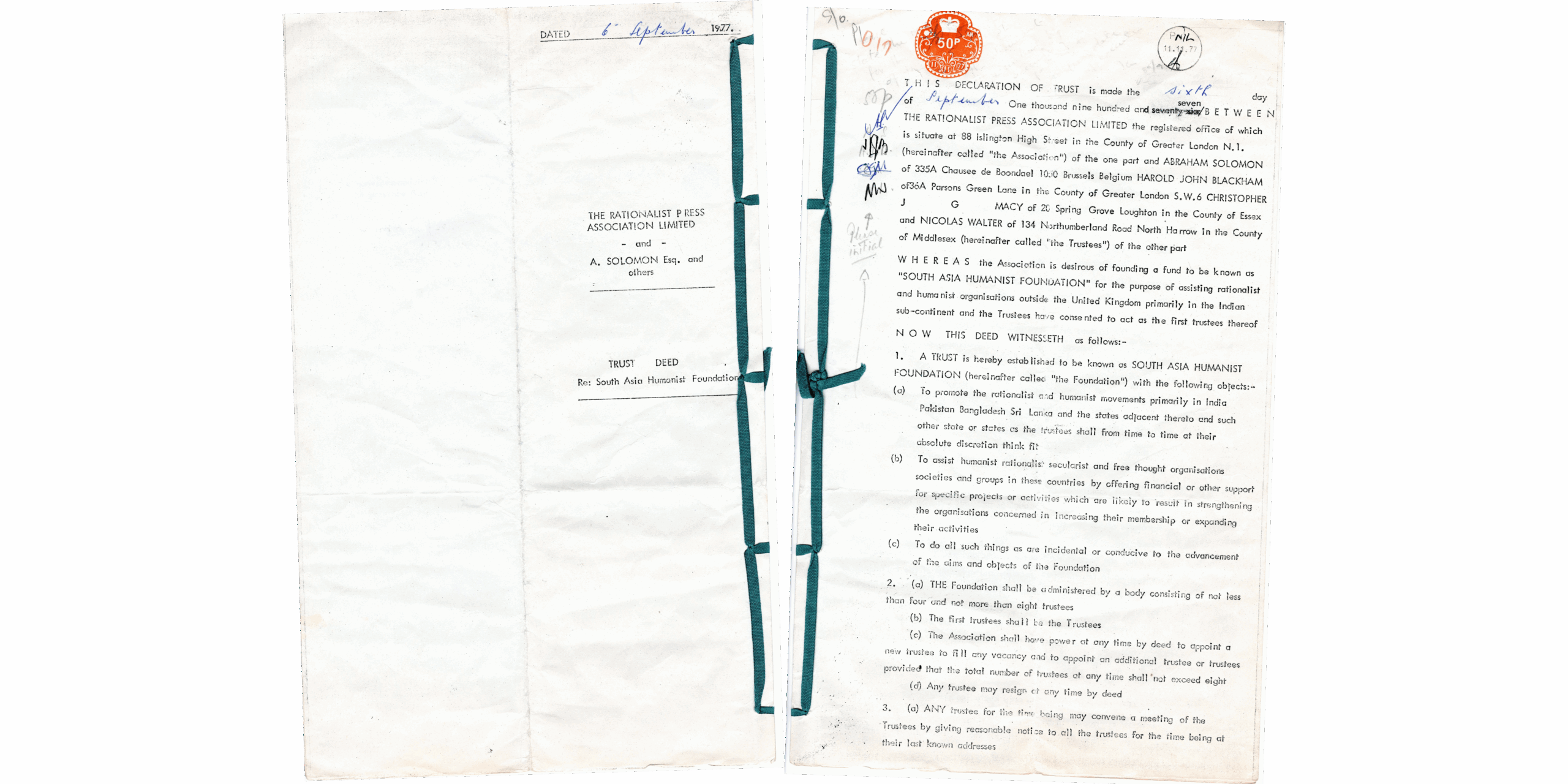
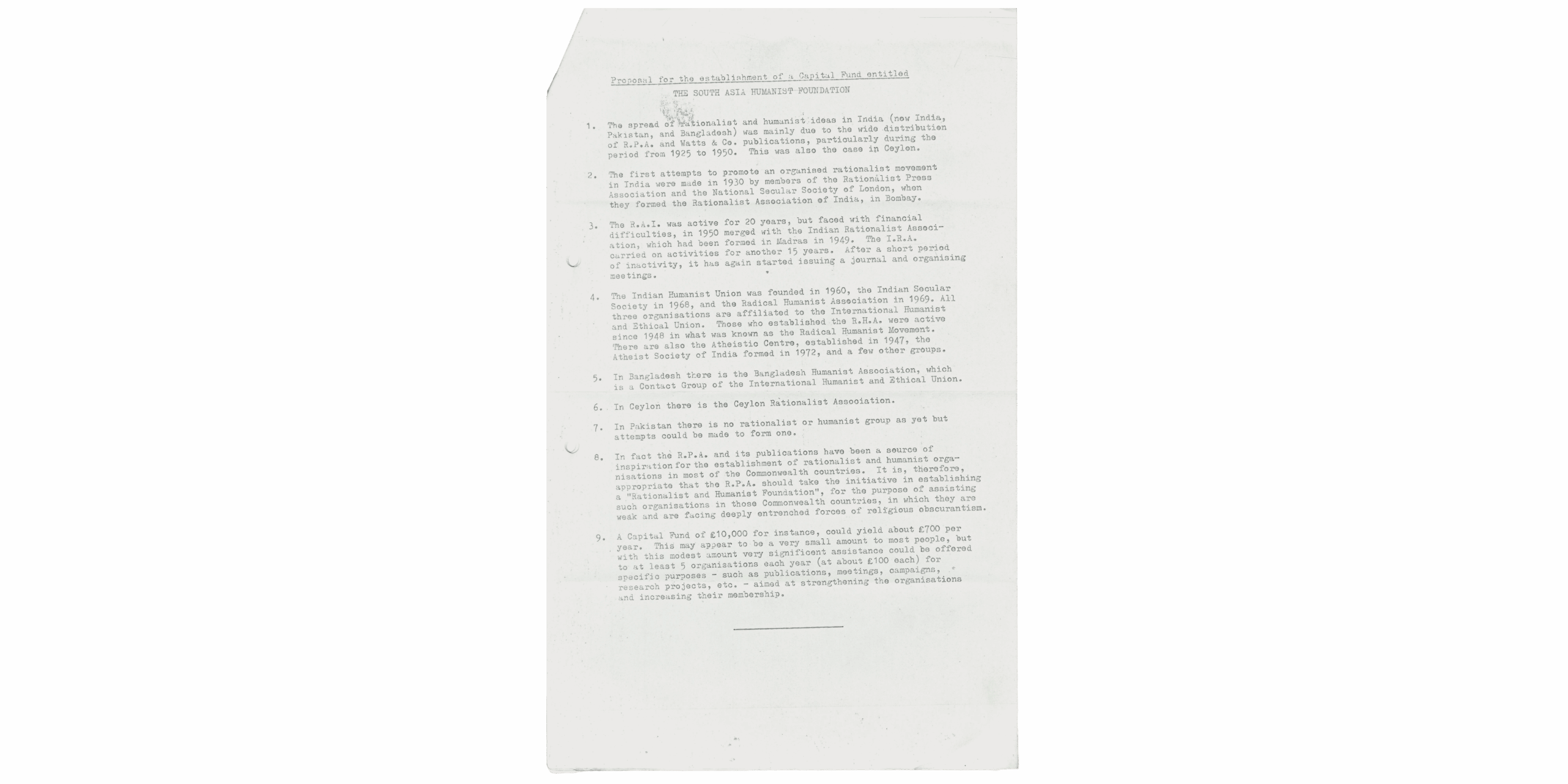
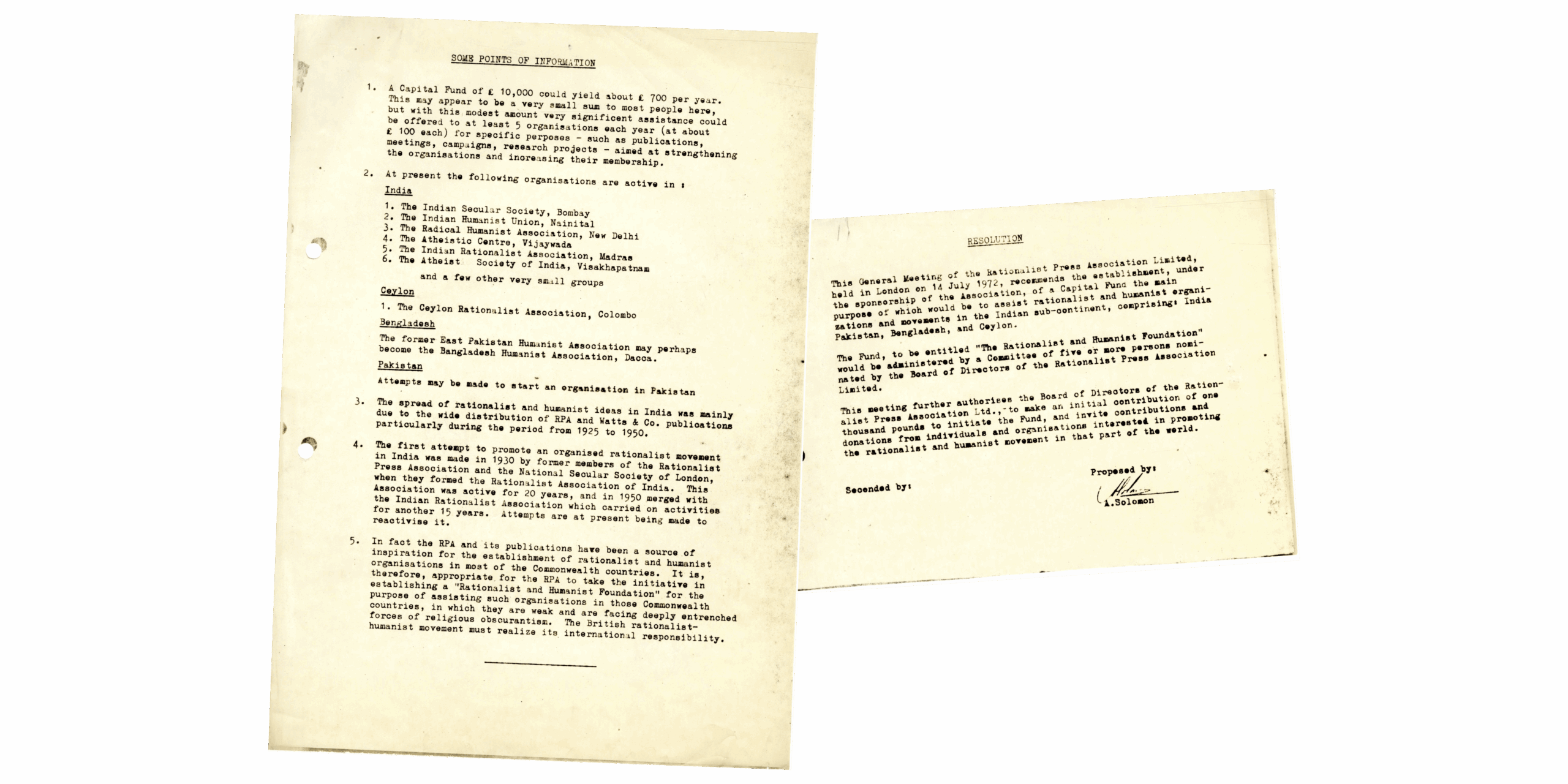
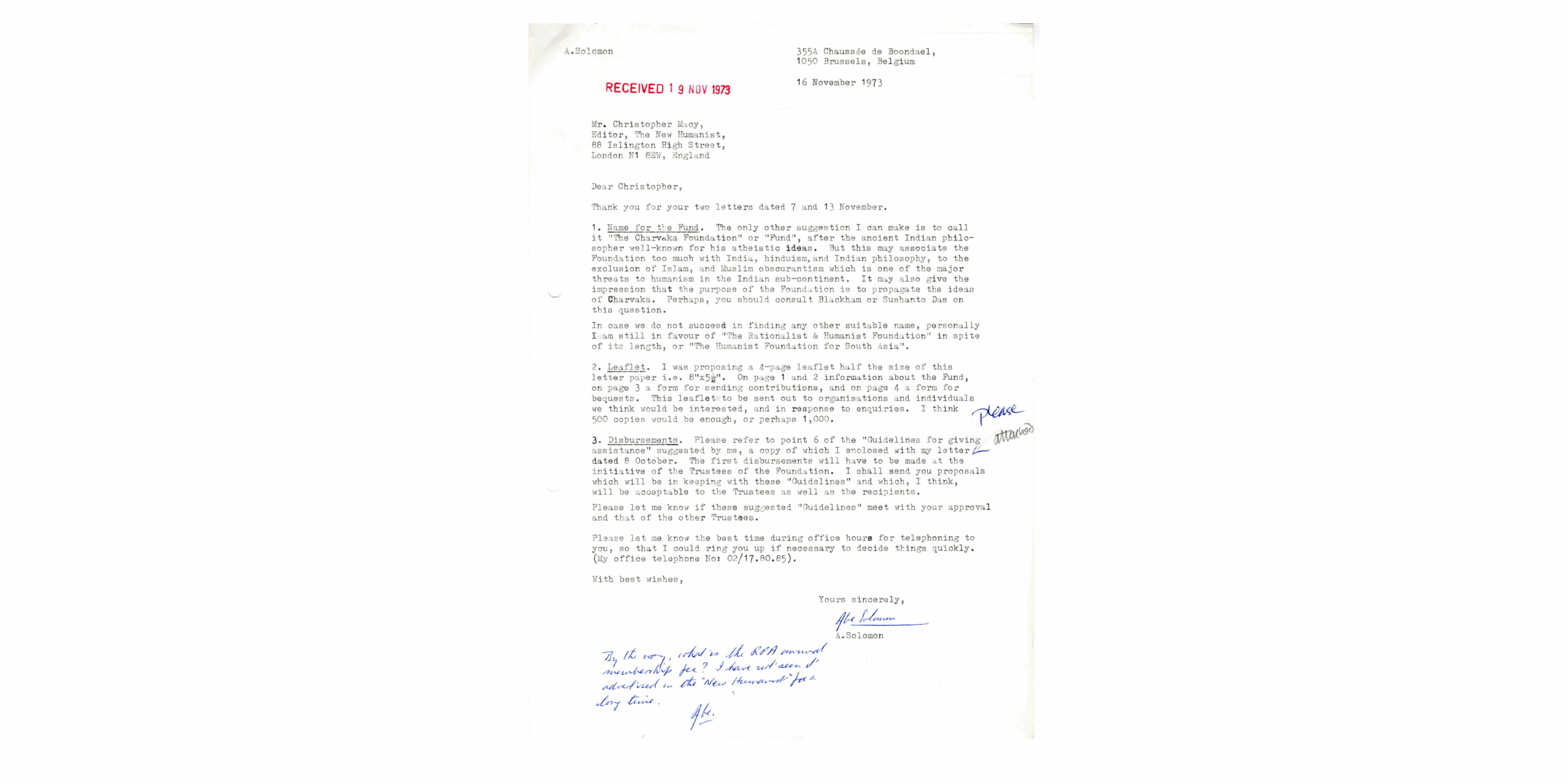
The South Asia Humanist Foundation was formed in 1975, supported by the Rationalist Press Association and spearheaded by Abraham Solomon, a prominent Indian secularist who had first proposed the idea three years earlier. The Foundation built on a tradition of scepticism spanning thousands of years, seeking to support humanist groups across India, Pakistan, Bangladesh, and Sri Lanka (then Ceylon).

  • Bringing together a number of groups across South Asia, the Foundation was essentially a central fund, from which grants could be made each year to humanist and rationalist organisations.

    Along with individuals from across the UK and Europe, the Rationalist Press Association and the British Humanist Association (now Humanists UK) both made initial donations to the Foundation.

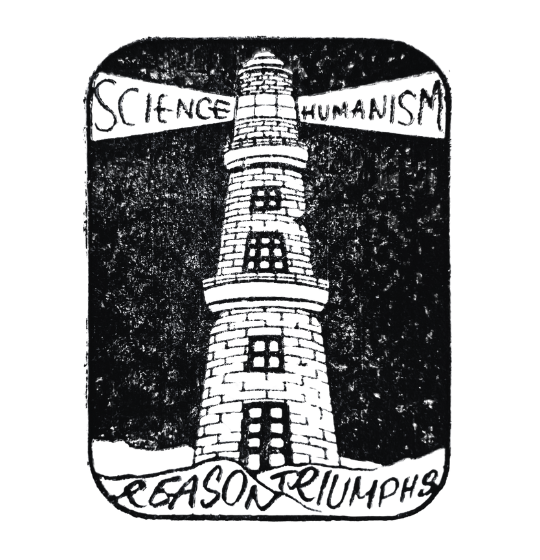
  • Logo of the Indian Rationalist Association
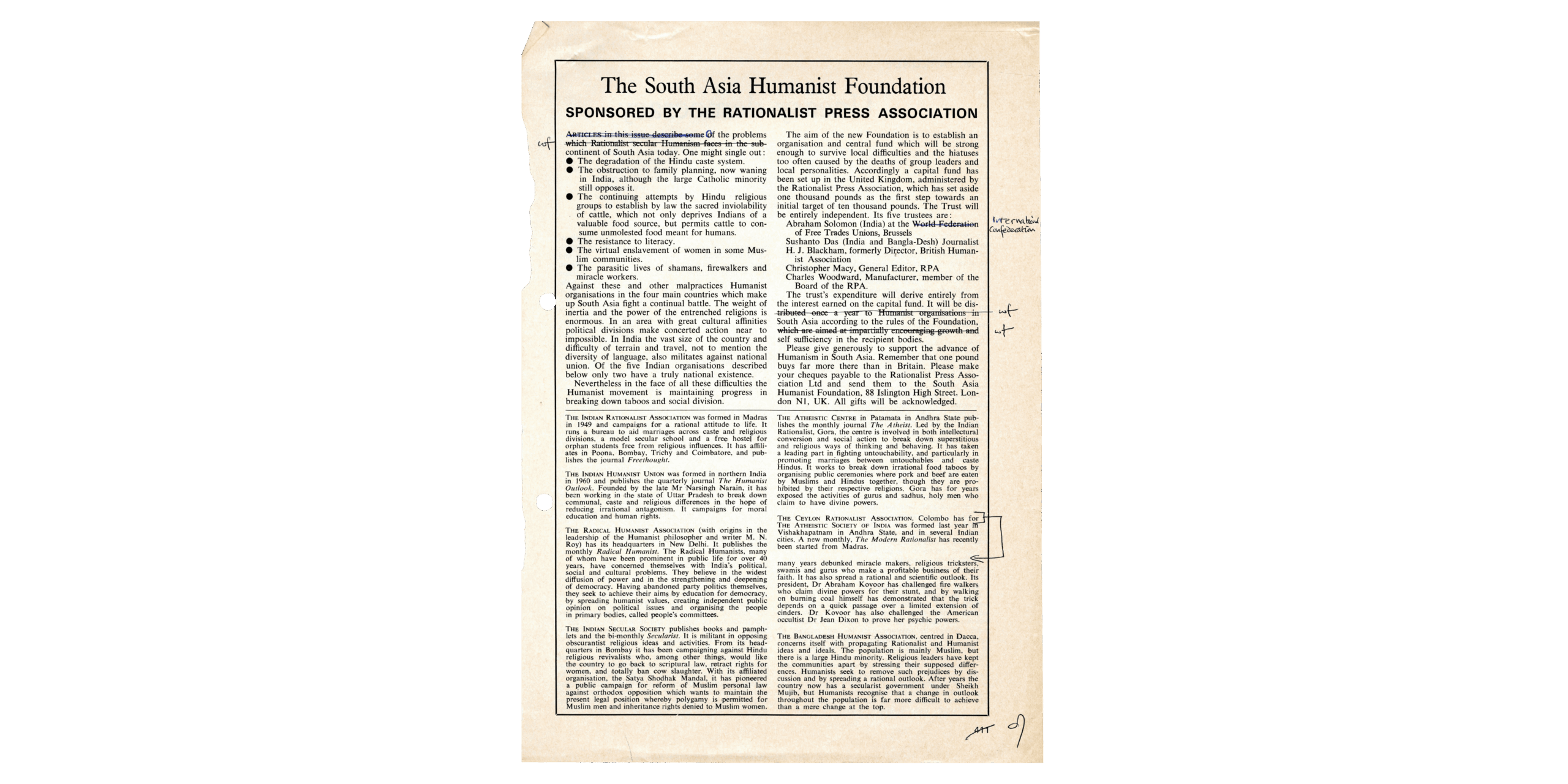
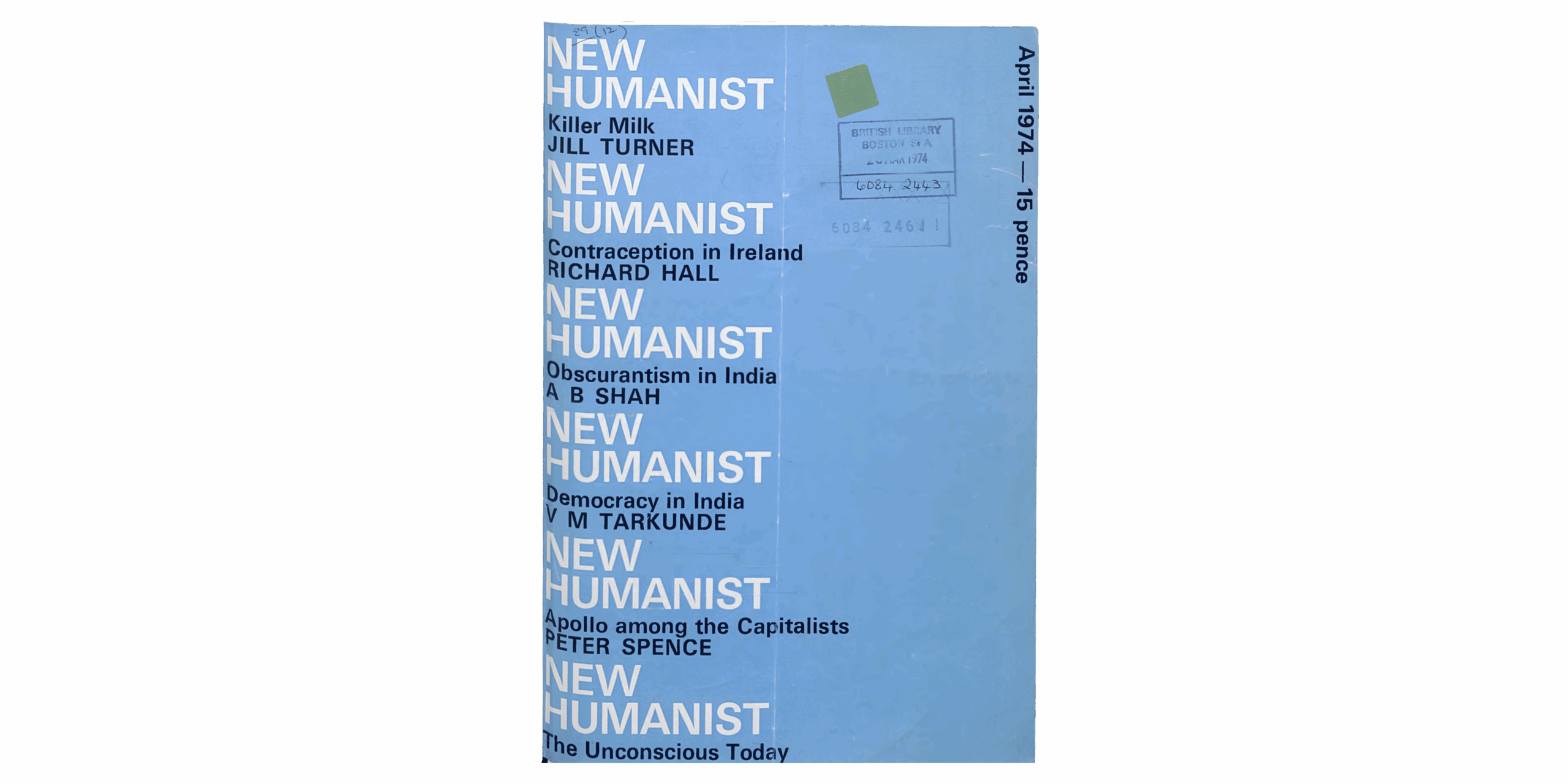
  • The Foundation highlighted some of the major challenges faced in South Asia—including the caste system, resistance to family planning, the treatment of women, and the ‘parasitic lives of shamans, firewalkers and miracle workers’—and noted that for many of the humanist organisations already at work on the continent, their work was deeply practical.

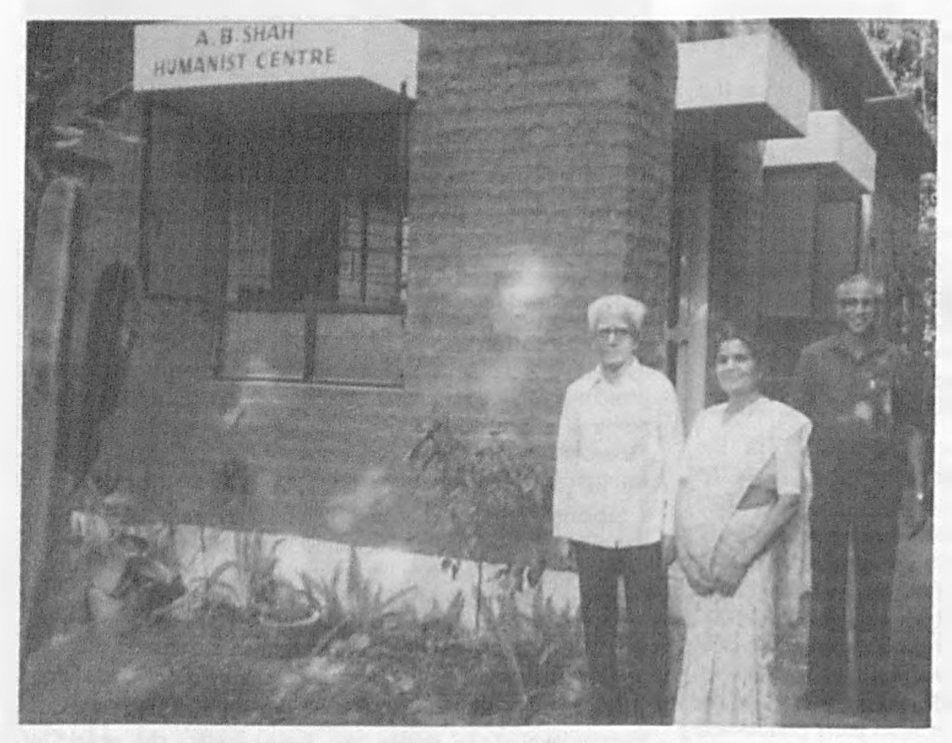
  • Abraham Solomon (right) pictured in front of the A. B. Shah Humanist Centre.
  • Key among these organisations were

  • The Indian Rationalist Association

    Formed in Madras in 1949 to campaign for a rational attitude to life, the Association ran a bureau to aid marriages across caste and religious divisions, a secular school, and a free hostel for orphan students, free from religious influences.

    It had affiliates in Poona, Bombay, Trichy, and Coimbatore, and published the journal Freethought.

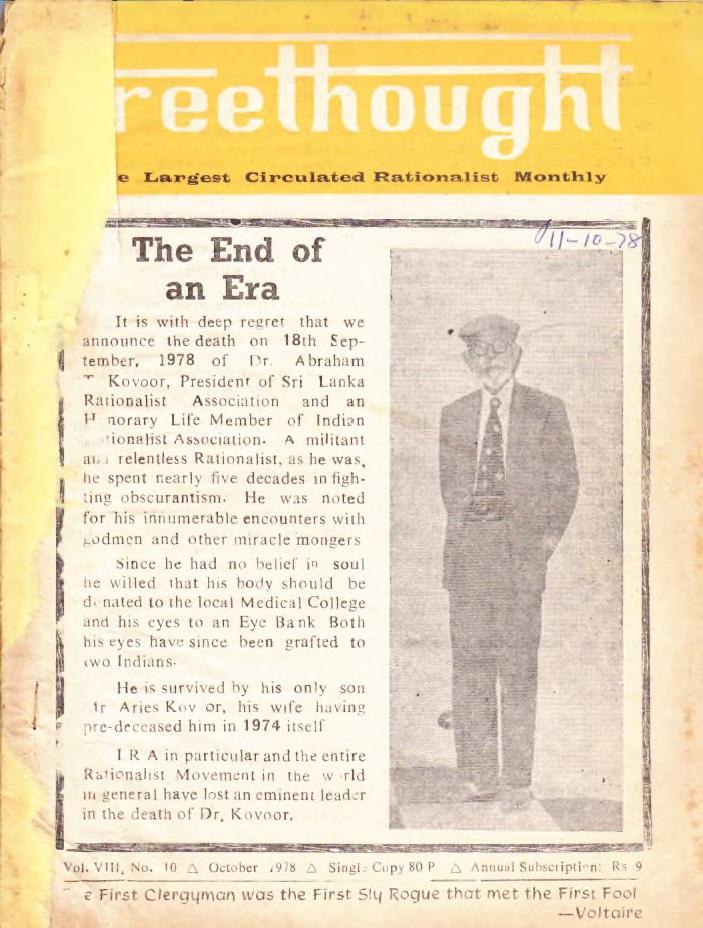
  • 1978 issue of Freethought, published by the Indian Rationalist Association
  • The Indian Humanist Union

    Established in northern India in 1960 by Narsingh Narain, the Indian Humanist Union sought ‘to break down communal, caste and religious differences in the hope of reducing irrational antagonism’. It campaigned for moral education and human rights, and published The Humanist Outlook, a quarterly journal.

  • The Radical Humanist Association

    Rooted in the ideas of M. N. Roy, the Radical Humanist Association’s headquarters were in New Delhi. The Association’s emphasis was on the development of democracy, through education, the spread of humanist values, and the organisation of ‘people’s committees’ for increasing engagement in political issues.

  • The Indian Secular Society

    With headquarters in Bombay, the Indian Secular Society published books, pamphlets, and the bi-monthly Secularist magazine, as well as campaigning against religious restrictions on human rights.

    Alongside its affiliated organisation, the Satya Shodhak Mandal, it led a public campaign for the reform of Muslim personal law, and in defence of the rights of women.

  • The Atheist Centre

    Founded in 1940 by Goparaju Ramachandra Rao and Saraswathi Gora, the Atheist Centre in India’s Andhra Pradesh focused on ‘intellectual conversion and social action’, challenging superstition and social taboo.

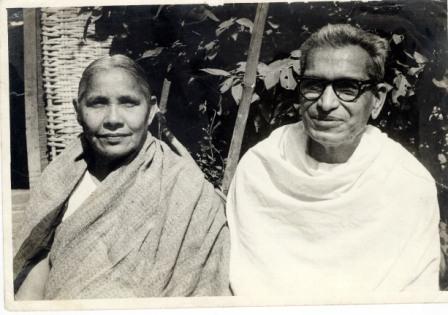
  • Saraswathi and Gora
  • The Ceylon Rationalist Association

    Based in Colombo, the Ceylon Rationalist Association aimed to spread a rational and scientific outlook, particularly by challenging the claims of ‘miracle’ workers and occultists.

    Its President was Dr Abraham Kavoor.

  • The Bangladesh Humanist Association

    Headquartered in Dacca, the Bangladesh Humanist Association promoted humanist and rationalist ideas and ideals. In a predominantly Muslim region with a large Hindu minority, the Association particularly sought to break down prejudices between these communities, through discussion and the spread of a more rational outlook.
  • Bringing together a number of groups across South Asia, the Foundation was essentially a central fund, from which grants could be made each year to humanist and rationalist organisations.

    Along with individuals from across the UK and Europe, the Rationalist Press Association and the British Humanist Association (now Humanists UK) both made initial donations to the Foundation.

  • Logo of the Indian Rationalist Association
  • The Foundation highlighted some of the major challenges faced in South Asia—including the caste system, resistance to family planning, the treatment of women, and the ‘parasitic lives of shamans, firewalkers and miracle workers’—and noted that for many of the humanist organisations already at work on the continent, their work was deeply practical.

  • Abraham Solomon (right) pictured in front of the A. B. Shah Humanist Centre.
  • Key among these organisations were

  • The Indian Rationalist Association

    Formed in Madras in 1949 to campaign for a rational attitude to life, the Association ran a bureau to aid marriages across caste and religious divisions, a secular school, and a free hostel for orphan students, free from religious influences.

    It had affiliates in Poona, Bombay, Trichy, and Coimbatore, and published the journal Freethought.

  • 1978 issue of Freethought, published by the Indian Rationalist Association
  • The Indian Humanist Union

    Established in northern India in 1960 by Narsingh Narain, the Indian Humanist Union sought ‘to break down communal, caste and religious differences in the hope of reducing irrational antagonism’. It campaigned for moral education and human rights, and published The Humanist Outlook, a quarterly journal.

  • The Radical Humanist Association

    Rooted in the ideas of M. N. Roy, the Radical Humanist Association’s headquarters were in New Delhi. The Association’s emphasis was on the development of democracy, through education, the spread of humanist values, and the organisation of ‘people’s committees’ for increasing engagement in political issues.

  • The Indian Secular Society

    With headquarters in Bombay, the Indian Secular Society published books, pamphlets, and the bi-monthly Secularist magazine, as well as campaigning against religious restrictions on human rights.

    Alongside its affiliated organisation, the Satya Shodhak Mandal, it led a public campaign for the reform of Muslim personal law, and in defence of the rights of women.

  • The Atheist Centre

    Founded in 1940 by Goparaju Ramachandra Rao and Saraswathi Gora, the Atheist Centre in India’s Andhra Pradesh focused on ‘intellectual conversion and social action’, challenging superstition and social taboo.

  • Saraswathi and Gora
  • The Ceylon Rationalist Association

    Based in Colombo, the Ceylon Rationalist Association aimed to spread a rational and scientific outlook, particularly by challenging the claims of ‘miracle’ workers and occultists.

    Its President was Dr Abraham Kavoor.

  • The Bangladesh Humanist Association

    Headquartered in Dacca, the Bangladesh Humanist Association promoted humanist and rationalist ideas and ideals. In a predominantly Muslim region with a large Hindu minority, the Association particularly sought to break down prejudices between these communities, through discussion and the spread of a more rational outlook.
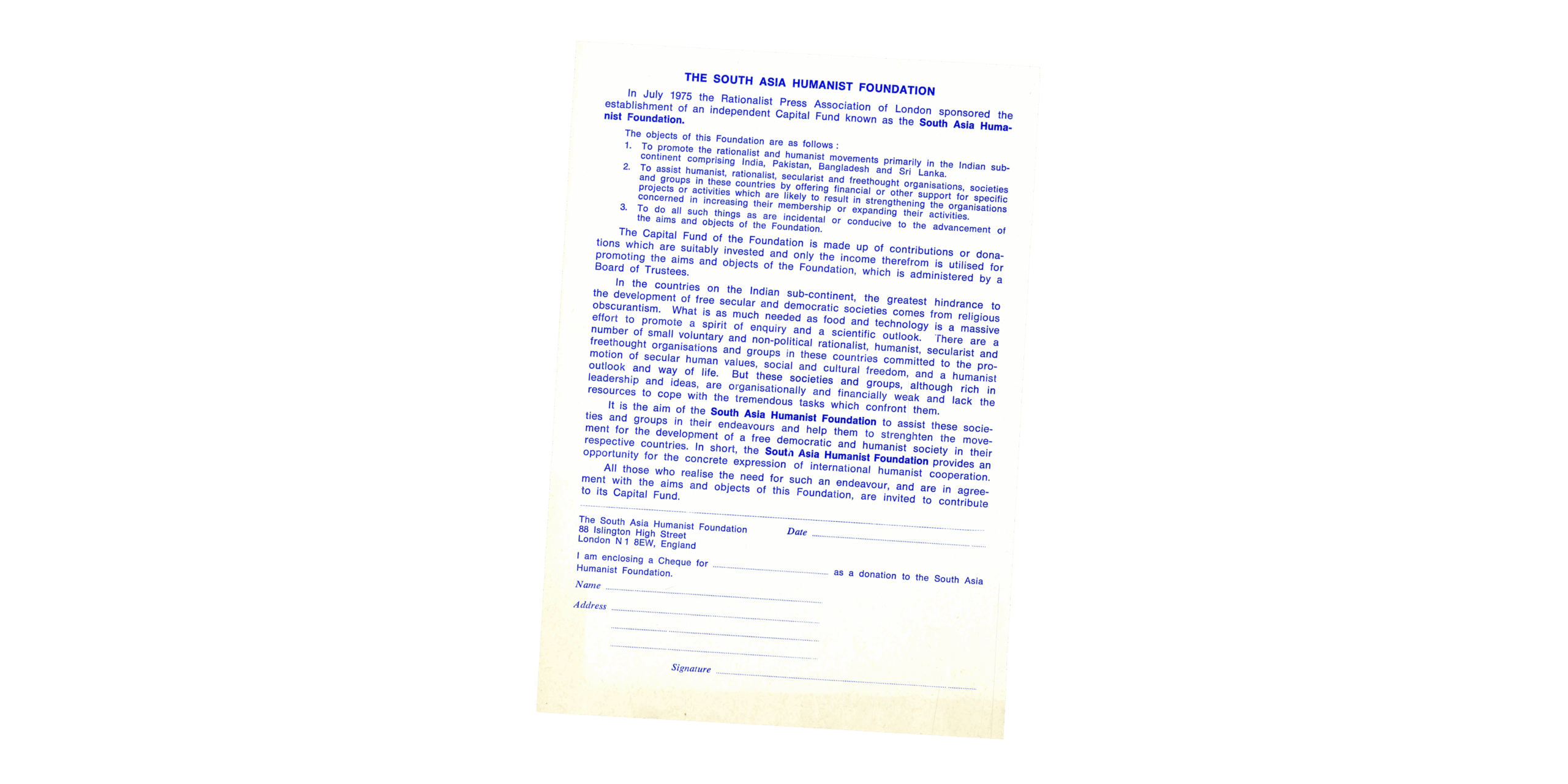
It is the aim of the South Asia Humanist Foundation to assist these societies and groups in their endeavours and help them to strengthen the movement for the development of a free democratic and humanist society in their respective countries. In short, the South Asian Humanist Foundation provides an opportunity for the concrete expression of international humanist cooperation.
Leaflet for the South Asia Humanist Foundation, 1975

The South Asia Humanist Foundation continued over the next decade to distribute humanist texts and funds, but struggled to achieve its grander aims, due in part to limited capacity and the RPA’s own lack of funds. It was formally wound up in 1989, its remaining money divided between the Indian Radical Humanist Association (Bombay), the Indian Secular Society (Pune), the Atheist Centre (Vijayawada), and the Indian Humanist Union (Lucknow).

Humanist organisations in South Asia continued to work, and to be associated both with each other, and with the international humanist movement. Today, Humanists International has member groups in India and Pakistan.

Next Exhibition

Snapshots: women in the archives

Made by Heritage Creative