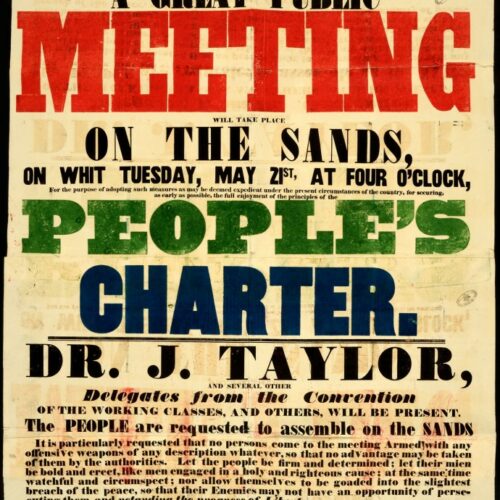
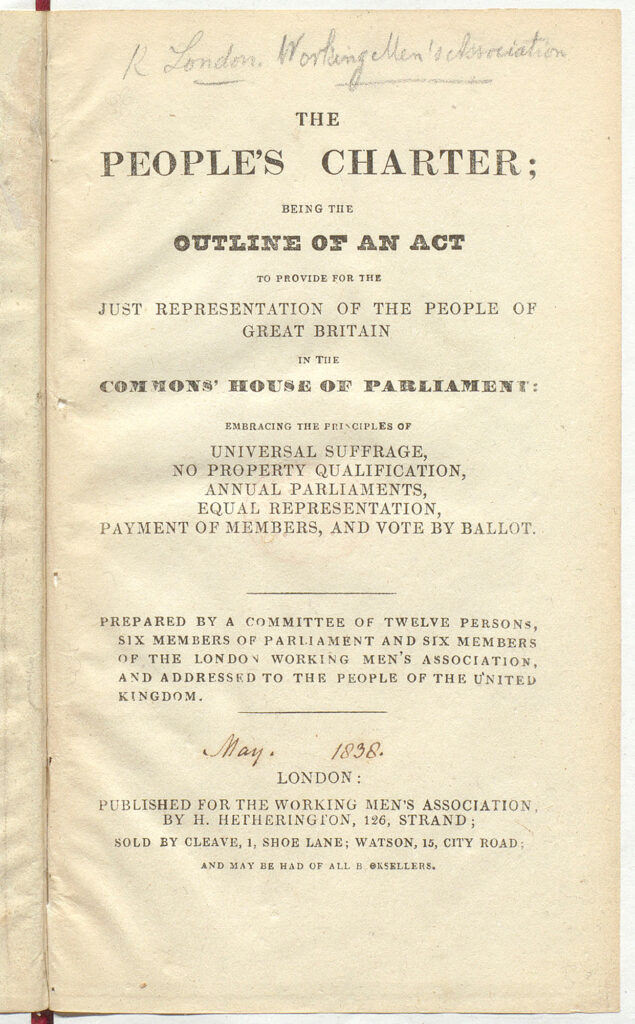
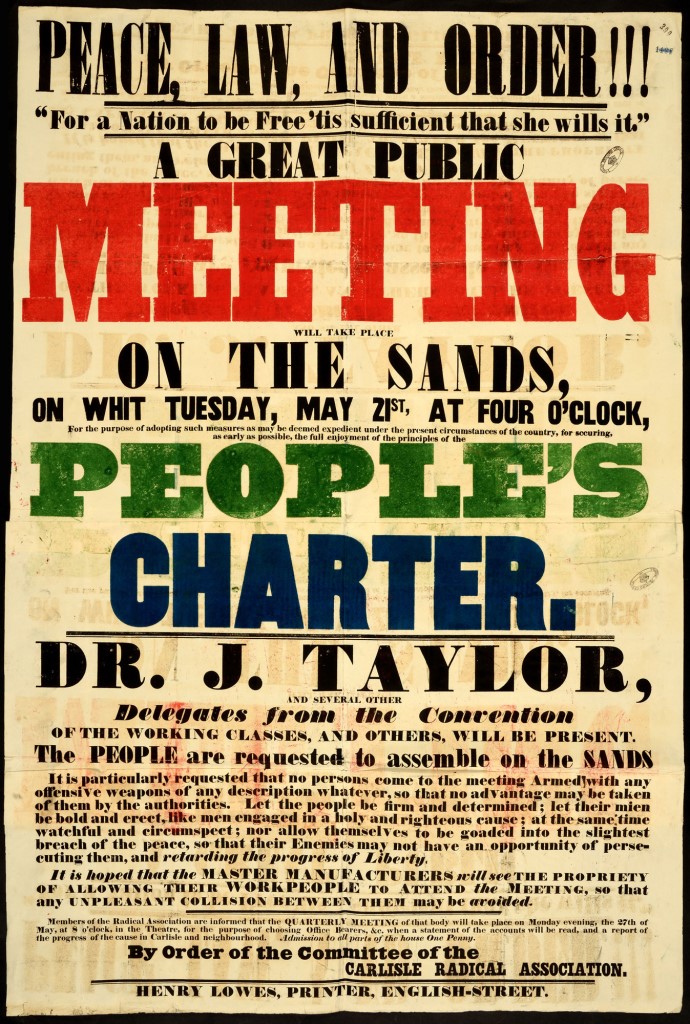
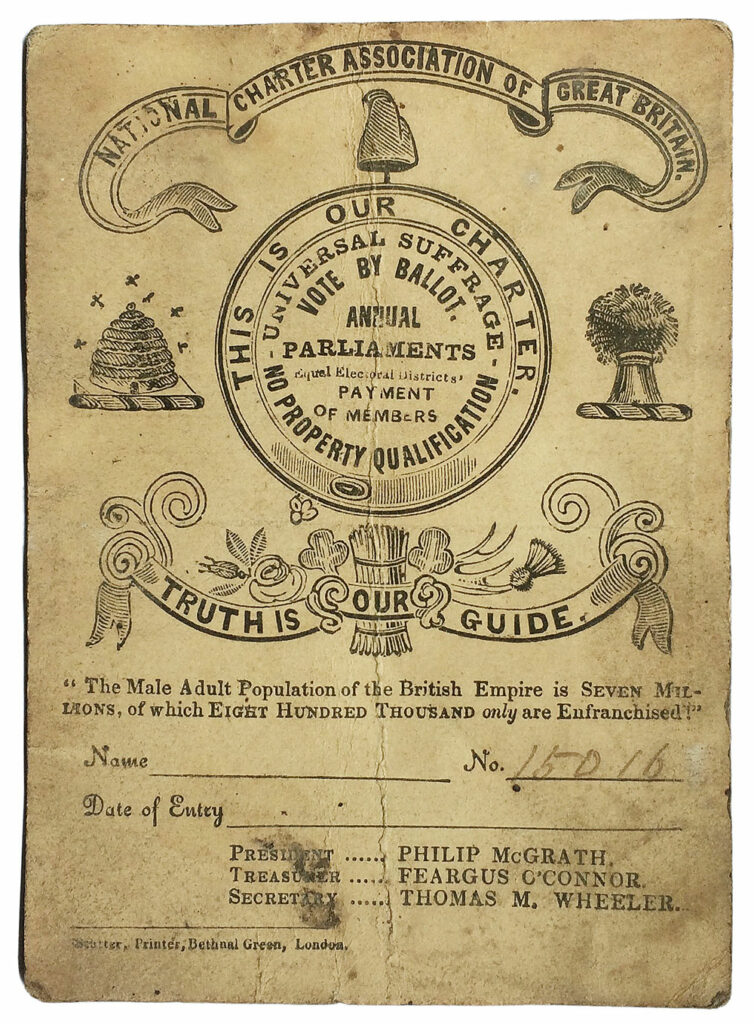
The Chartists sought political and social reform in the UK during the mid-19th century, between 1838 and 1850. They took their name from the People’s Charter of 1838, which stated the six main aims of the movement as:
Although Chartists called for male suffrage, many women were actively involved in the movement as writers, speakers, and members of Chartist organisations.
During this period the Christian churches in Britain believed that Christians should not interfere with politics.
However many Christian Chartists saw Christianity as something that should be applied practically to life including politics. To further this idea some Christian Chartist Churches were formed.
The Chartists where especially harsh on the Church of England for unequal distribution of the state funds it received. This state of affairs led some Chartists to question the very idea of a state sponsored church, leading them to call for an absolute separation of Church and state: a secular state.
Facing severe prosecution in 1839 Chartists took to attending services at churches they held in contempt. This allowed them to display their large numbers and to make direct challenges. Often they would demand that preachers read from texts they believed supported their cause.
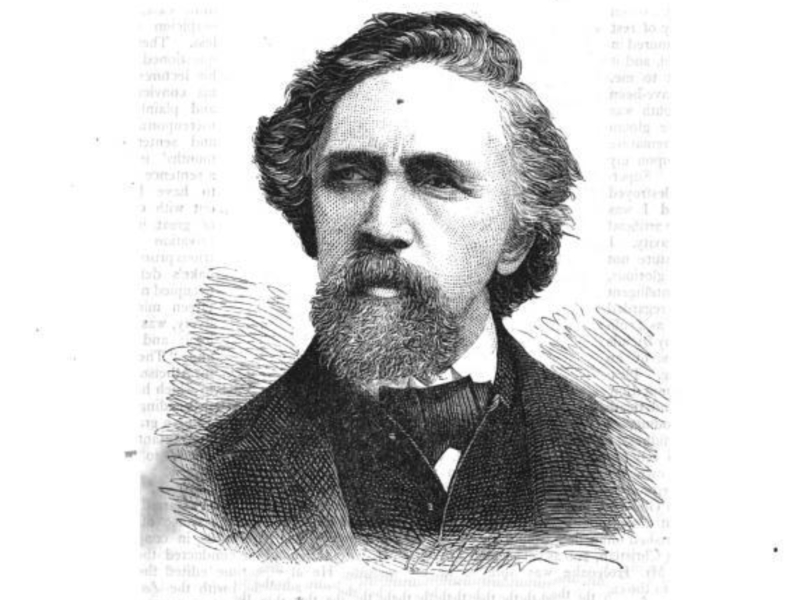
Prominent Chartists included a number of humanists, most notably:
The Reformers’ Memorial at Kensal Green Cemetery also lists the names of many freethinking Chartists.
Chartism by David Avery for the British Library
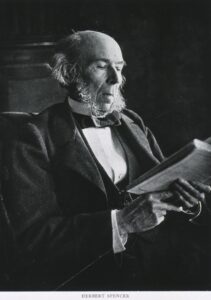
No one can be perfectly free till all are free; no one can be perfectly moral till all are moral; […]
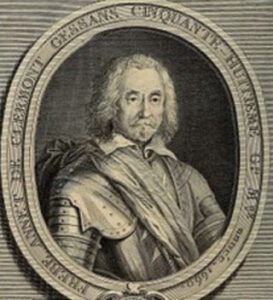
I have been the more bold in exposing my opinion because I believe it to be the dictates of truth […]
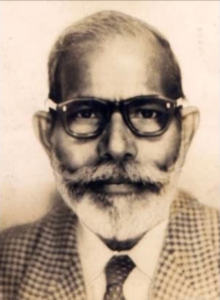
As the Indian freethought papers have said, by his personal example he left a thousand Kovoors, and this is his […]
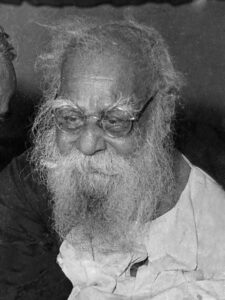
A life devoted to uncompromising rationalism, rich in achievement. Obituary for E. V. Ramasamy (Periyar) in New Humanist, April 1974 […]