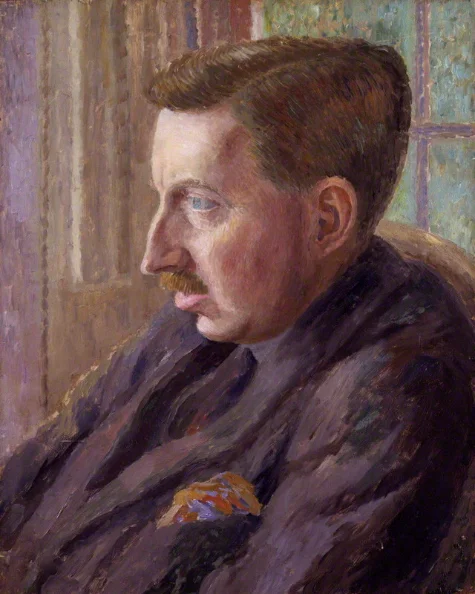
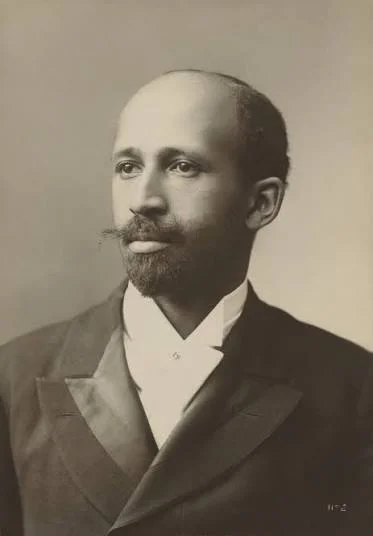
Bloomsbury Group novelist E. M. Forster served as president of the Cambridge Humanists and on the Advisory Council of the British Humanist Association (today’s Humanists UK). His essay ‘What I Believe’ (1938), with its preference for ‘tolerance, good temper and sympathy’ over creeds, remains one of the finest short statements of the humanist temperament.
In 1909 he published a single, uncanny science fiction story. ‘The Machine Stops’ imagines humanity living underground in individual cells, communicating through screens, worshipping the global Machine that sustains them, and gradually losing the capacity for direct experience. A gay humanist who prized personal relations above systems, Forster wrote the story as a rebuke to H. G. Wells’ brand of techno-optimism, worrying that technology which promised connection might instead deliver isolation. Today it looks uncomfortably prophetic about the lonelier corners of the internet and the wider phenomenon of digital isolation.